

5 Rainy Season Cargo Shipping Strategies to Keep Your Business Moving
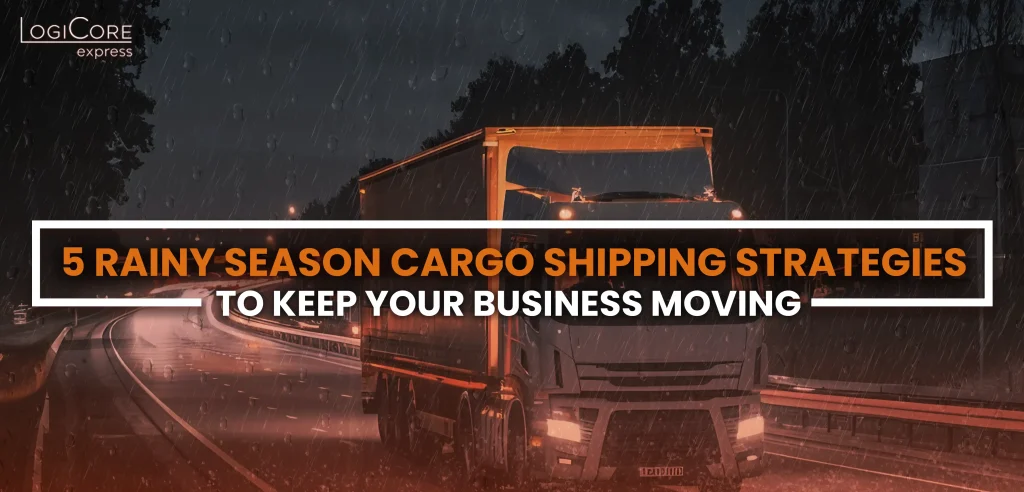
Every year, the rainy season in the Philippines brings unique challenges for businesses that depend on reliable freight movement. From flooded transport routes and port congestion to weather-related delays and damaged cargo, rainy season cargo shipping requires more planning than usual.
Whether you’re transporting raw materials, retail inventory, manufacturing supplies, or export products, even a minor disruption can impact operations, customer satisfaction, and profitability.
| Rainy season shipping challenge | Potential impact | Business risk level |
|---|---|---|
| Flooded trucking routes | Delivery delays | High |
| Port congestion | Extended lead times | High |
| Typhoon-related vessel cancellations | Shipment postponement | High |
| Cargo moisture exposure | Product damage | Medium – High |
| Airport operational disruptions | Air freight delays | Medium |
The good news is that weather-related freight forwarding challenges are manageable. With proper planning, cargo protection measures, and support from an experienced freight forwarding partner, businesses can keep their supply chains running smoothly despite unpredictable weather conditions.
Here are five proven strategies for rainy-season cargo shipping that can help reduce delays, protect shipments, and maintain business continuity throughout the wet season.

1. Plan Shipments Earlier and Build Buffer Time
One of the biggest mistakes businesses make during the rainy season is treating shipping schedules as business as usual.
Typhoons and heavy rainfall affect vessel schedules, airport operations, trucking routes, and port activities with little to no warning. That’s why proactive freight planning is critical.
Instead of scheduling shipments based on ideal transit times, build additional lead time into your logistics calendar. If your normal transit window is seven days, consider planning for nine or ten days.
Best Practice for Shipment Planning
- Schedule critical shipments before peak typhoon periods
- Maintain safety stock for high-demand products
- Coordinate forecasts with your freight forwarding provider
IMPORTANT REMINDER
Businesses that understand the common causes of freight delays in cargo shipping are often better prepared to adjust schedules and avoid costly operational downtime during peak rainy months.
Related Blog You May Find Useful:

2. Choose the Right Freight Mode for the Situation
Not every shipment should travel the same way during the rainy season.
While sea freight remains a budget-friendly option for large-volume cargo, weather disruptions can impact vessel schedules and port operations. For urgent or high-value shipments, air freight may provide a faster and more reliable alternative.
The key is flexibility.
Businesses that use a combination of sea, air, and land transportation can adapt more quickly to disruptions.
Consider air freight when…
- Cargo is time-sensitive.
- Production schedules depend on immediate delivery.
- Delays could result in significant financial losses.
Consider sea freight when…
- Shipping bulk cargo
- Transit flexibility is available
- Cost optimization is a priority
Logicore Express leverages an equivalent transport option to ensure that your shipping requirements are met with satisfaction.

AIR Freight
Our air freight service is best for high-value shipments that need to be delivered instantly.

Sea Freight
Our sea freight service is best for transporting heavy and oversized loads at a lower price.

Land Freight
Our land freight service is suitable for medium-distance and general cargo anywhere.
3. Protect Cargo Against Moisture and Water Damage
During the rainy season, cargo isn’t only exposed to rain.
High humidity levels, condensation inside containers, wet loading environments, and temperature fluctuations can also damage your product during transit.
Moisture protection should be a top priority, especially in shipping electronics, food products, packaging materials, machinery components, and consumer goods.

Weather-related risks aren’t the only threat to cargo integrity. Improper handling, insufficient packaging, and transportation mistakes can also result in damaged goods.
Understanding these common shipping pitfalls can help businesses strengthen their cargo protection strategy.
Effective Cargo Protection Measures:
- Use drying agents to absorb excess moisture.
- Apply shrink wrapping to pallets and packaged goods.
- Utilize waterproof packaging materials.
- Completely seal containers properly before loading.
- Conduct cargo inspections before dispatch.
Related Blog You May Find Useful:

4. Create a Contingency Freight Forwarding Plan
Even the most carefully planned shipment can encounter unexpected disruptions during typhoon season. That’s why every business should have a contingency shipping plan in place.
When severe weather impacts a route, your team should have alternative options prepared and know how to activate them quickly.
Ask These Questions:
- What happens if our primary route becomes inaccessible?
- Can cargo be rerouted through another port or airport?
- Do we have alternative transportation modes available?
- Who needs to be notified if delays occur?
Importers and exporters should also work with providers offering international freight forwarding services, making it easier to identify alternative routes when disruptions occur.
IMPORTANT REMINDER
Learning about today’s freight transportation challenges can help businesses build more resilient supply chains during the rainy season.

5. Partner With an Experienced Freight Forwarder
Perhaps the most important strategy is choosing the right freight forwarding partner.
The rainy season makes freight forwarding in the Philippines more complex. Local knowledge, route expertise, and proactive communication usually make a major difference when disruptions occur.
An experienced freight forwarding company doesn’t simply transport cargo. They monitor weather conditions, anticipate bottlenecks, provide alternative solutions, and keep you updated on every step of the shipping process.
Look for a freight partner that offers:
- Domestic and international freight forwarding services
- Air, sea, and land freight solutions
- Real-time shipment visibility
- Proactive cargo monitoring
- Flexible contingency planning support
QUICK TIP : Understanding the importance of international cargo shipping solutions can help your business improve supply chain resilience during the rainy season.
Keep Your Cargo Moving this Rainy Season with Domestic and International Freight Solutions
The rainy season is unavoidable. Supply chain disruptions don’t have to be.
By planning shipments early, selecting the right transport mode, protecting cargo from moisture, preparing contingency plans, and partnering with an experienced freight forwarder, businesses can significantly reduce logistics risks during the wet season.
At Logicore Express, we help businesses navigate rainy-season challenges through reliable freight forwarding services, customized shipping solutions, and expert freight forwarding support across the Philippines and international markets.
Whether you’re transporting raw materials, finished goods, retail inventory, or project cargo, our team is ready to help you move freight safely, efficiently, and on schedule—rain or shine.

Frequently Asked Questions
The best cargo shipping companies during the rainy season offer multimodal shipping solutions. In the Philippines, Logicore Express is a dependable freight forwarder that offers air, land and sea freight for domestic and international cargo shipping.
To protect your cargo from moisture damage, your freight forwarder should make sure that the mode of transport has fully sealed both external water intrusion and internal condensation.
During heavy rains, freight forwarders like Logicore Express are well-experienced in handling different kinds of goods such as food and beverage, electronics, or even dangerous goods.
This means that our clients trust our alternative shipment plans during external disruptions.
At Logicore Express, we offer flexible and competitive full freight service options for our clients. We anticipate current risks, potential disruptions, and best shipping plan for your goods.
Inquire here if you have cargo in need of international or domestic shipping.
